Build a secure, scalable CMS around your content, teams, approvals and business workflows.
Custom CMS Development Services in Pakistan

back
back
back
back
back
back
Webnet Pakistan provides custom CMS development services for businesses that need more control than a generic website builder or plugin-based platform can provide. We design the CMS around how your team actually works—your content types, approval process, departments, user roles, publishing rules and integrations—so administration becomes simpler as the website grows.
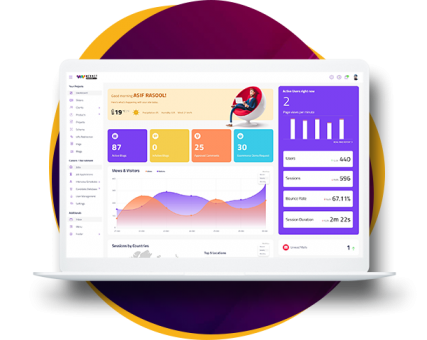
Our custom CMS developers build secure, database-driven systems for corporate websites, portals, ecommerce operations and content-heavy platforms. A project can include structured content models, reusable sections, media management, drafts and revisions, scheduled publishing, role-based permissions, approval workflows, multilingual content, multi-site management, SEO controls, forms, reports and custom dashboards.
For organizations replacing an old system, we also provide CMS migration and integration services. Content, URLs and SEO structure can be migrated carefully while the new CMS connects with CRM, ERP, ecommerce, HR, payment, analytics or other third-party APIs. The objective is not simply to change the admin panel—it is to create a content platform that supports the business for years.
Looking for a CMS development company in Pakistan? Webnet can scope the content architecture, workflows, permissions, integrations and migration requirements before development begins. You receive a CMS tailored to your organization rather than forcing your organization to work around the limitations of a pre-built platform.
If you are still comparing CMS options, read our guide to Content Management Systems. If your requirement is already clear, talk to our team about your custom CMS project.
If the requirement is primarily a customer-facing corporate or service website rather than a workflow-heavy CMS, see our custom website design services.
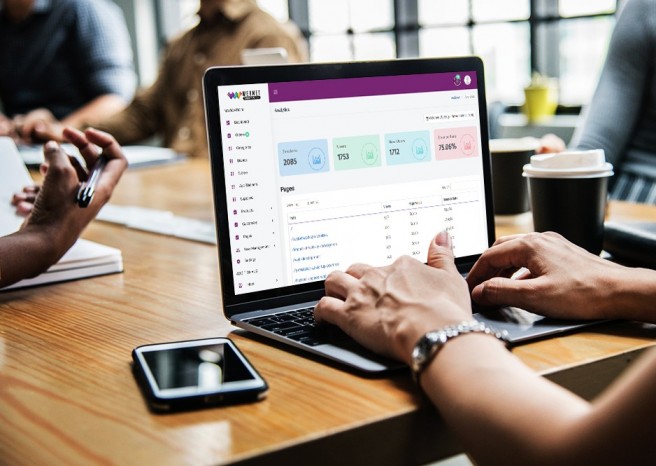

For complex organizations, we can build a bespoke CMS with multi-site or multi-brand management, multilingual publishing, custom approval chains, audit-friendly user activity, API-first integrations and dashboards designed around business operations. The system can evolve without rebuilding the entire website every time a new content type or workflow is required.
Extend the CMS with custom modules instead of relying on a stack of unrelated plugins. We can connect business systems through APIs and webhooks, including CRM, ERP, ecommerce, HR, payments, logistics, analytics and internal databases. New functionality is developed around the existing CMS architecture so administration remains consistent for your team.
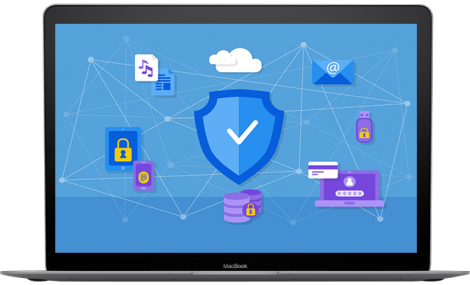

Security begins with controlled access and predictable architecture. Custom roles and permissions can limit who may view, edit, approve or publish specific content. We can also implement secure authentication, audit-friendly activity records, validation, backups and deployment practices appropriate to the project. Security is treated as an engineering requirement—not a claim that any system is impossible to attack.
A growing CMS must remain usable for editors and fast for visitors. We structure queries, media handling, caching and content delivery around the size and traffic profile of the project. The architecture can be extended for larger content libraries, multiple sites, integrations and higher traffic without turning routine publishing into a slow process.

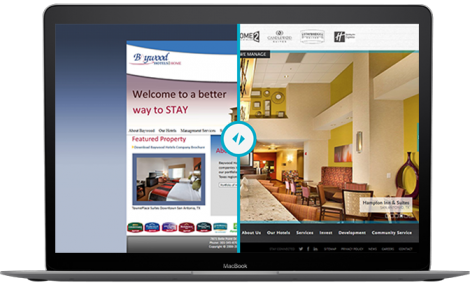
If your current CMS is difficult to maintain, dependent on outdated plugins or no longer fits the business, we can plan a controlled migration to a custom platform. Existing pages, media, metadata and URL structure can be mapped into the new content model while redirects and SEO-sensitive elements are preserved. Migration can also be phased for larger websites and multi-site environments.
A custom CMS is an investment in a system designed around your own requirements rather than a collection of subscriptions and workarounds. Scope, modules, integrations, hosting and ongoing support are defined according to the project. This gives businesses a clearer path for future development and reduces dependence on unnecessary third-party plugins or platform limitations.

After launch, we can train administrators and content teams on everyday publishing, permissions and workflows. Ongoing support can cover maintenance, security updates, performance monitoring, new modules and integration changes so the CMS continues to evolve with the organization rather than becoming another legacy system.
Share a few details and our team will review the right next step for your enquiry.